


Aloe vera is commonly used in face care to support surface hydration and help dry-feeling skin feel calmer and more comfortable. It can be a useful part of a simple routine, but it is not a treatment for acne, burns or chronic skin conditions, and it may not replace a moisturizer for every skin type.
INTRODUCTION
Aloe vera appears everywhere in skincare, from gels and creams to cleansers and sheet masks. Its popularity comes from the fresh, lightweight feel many aloe-based products provide. That makes it especially appealing when skin feels warm, tight or uncomfortable after cleansing, hot weather or long hours in air-conditioned spaces.
But the word "aloe" on a label does not automatically tell you what a product will do. The final result depends on the complete formula, the concentration of each ingredient and how the product fits into the rest of your routine. Understanding those limits helps you choose aloe vera face care for the right reasons.
WHY IS ALOE VERA SO POPULAR IN FACE CARE?
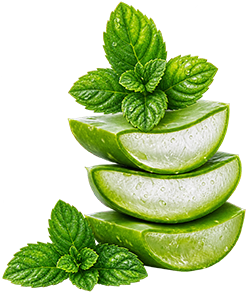
Aloe vera gel is naturally water-rich and is often included in formulas designed to feel light and refreshing. In cosmetics, it is usually used as part of a wider formula rather than as a single miracle ingredient. A well-formulated aloe product may help the skin feel hydrated, comfortable and refreshed without the heavy finish associated with richer creams.
This is why aloe often appears in products aimed at normal, combination or dry-feeling skin. It can also fit routines built for warm climates, including face care in Egypt, where moving between outdoor heat and indoor air conditioning may leave skin feeling uncomfortable.
WHAT DOES ALOE VERA ACTUALLY HELP WITH?
Aloe-based skincare can support the following cosmetic goals:
Helping dry-feeling skin feel more comfortable
Providing light surface hydration
Supporting a softer and fresher skin feel
Adding a cooling-feeling step to a simple routine
Helping reduce the tight feeling that can follow cleansing
These are appearance and comfort benefits. They should not be confused with medical treatment. If the skin is persistently painful, cracked, inflamed or affected by a diagnosed condition, a dermatologist is the right person to ask.
HYDRATION VS MOISTURIZATION: WHAT IS THE DIFFERENCE?
Hydration describes water at the skin's surface, while moisturizing usually involves helping the skin hold on to that water and reducing moisture loss. A watery gel or serum can make skin feel hydrated, but some skin types still need a cream afterward to maintain comfort.
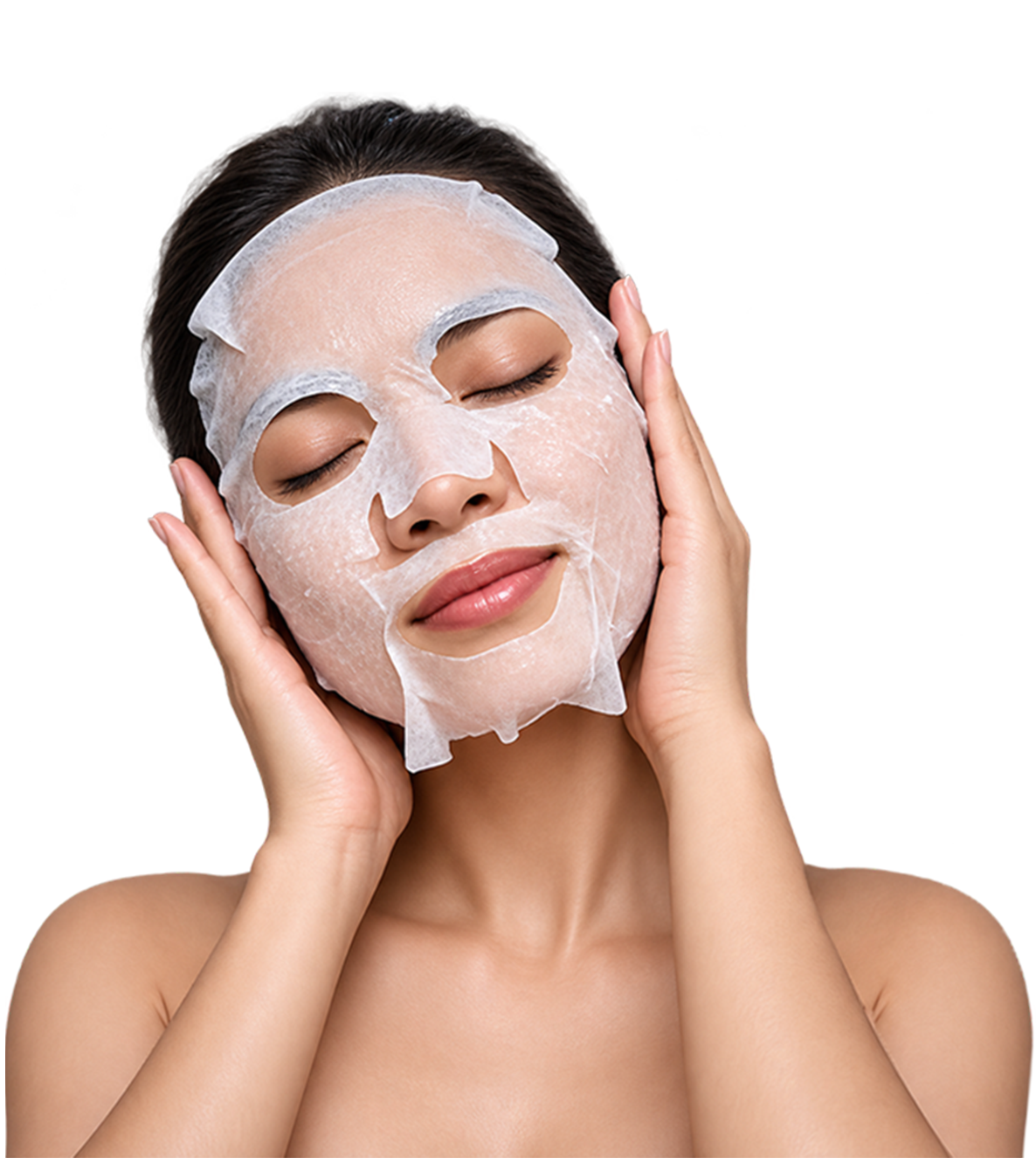
This is one reason an aloe vera sheet mask may feel immediately refreshing but not replace every other step. If your skin feels comfortable after the mask, you may only need a light moisturizer. If it becomes tight again quickly, finish with a cream that suits your skin type.
SIGNS YOUR SKIN MAY NEED MORE HYDRATION
Skin feels tight after washing
The surface looks dull or less fresh than usual
Fine dehydration lines become more noticeable temporarily
Makeup sits unevenly or looks patchy
Skin feels uncomfortable after heat, travel or air conditioning
These signs can have more than one cause. A hydrating step may improve comfort, but recurring irritation or severe dryness needs professional advice.
WHEN CAN ALOE VERA FIT INTO YOUR ROUTINE?
Aloe vera face care works best as a supportive step rather than the entire routine. It may be useful after a gentle cleanse, before moisturizer, or when you want a quick refresh before an event. A sheet mask can also be used during a weekly self-care routine when the skin feels dry or tired-looking.
For daytime use, finish with broad-spectrum sunscreen. An aloe product can make skin feel refreshed, but it does not replace sun protection.
WHAT ALOE VERA CANNOT DO
Aloe vera cannot permanently change your skin type, shrink pores, erase wrinkles or treat acne on its own. It should not be presented as a cure for burns, eczema or other skin conditions. Research on medical uses of topical aloe exists, but results depend on the condition and the specific preparation, so those findings should not be turned into broad cosmetic promises.
A useful skincare claim should stay realistic: aloe can support hydration and comfort when it is part of a suitable formula.
COMMON ALOE VERA MYTHS
Does natural aloe mean irritation-free?
No. Plant-based ingredients can still cause a reaction. Skin can also react to fragrance, preservatives or other ingredients in the same formula. Patch testing a new product is the safer approach.
Is more aloe vera always better?
No. More product or longer application does not guarantee better results. Follow the instructions and avoid leaving a sheet mask on until it becomes completely dry.
Can aloe vera replace a moisturizer?
Sometimes a lightweight aloe product may feel sufficient for oily or combination skin, but dry skin often benefits from a moisturizer afterward. Let your skin's comfort guide the next step.
Is fresh aloe leaf the same as a cosmetic formula?
No. A cosmetic product is formulated for stability, texture and controlled use. A fresh leaf varies naturally and may contain parts of the plant that are not intended for facial application.
ALOE VERA GEL, CREAM OR SHEET MASK: WHICH SHOULD YOU CHOOSE?
Choose a gel when you want a lightweight layer, a cream when your main concern is lasting comfort, and a sheet mask when you want a short, serum-rich care step. The format matters less than the complete ingredient list and how your skin responds.
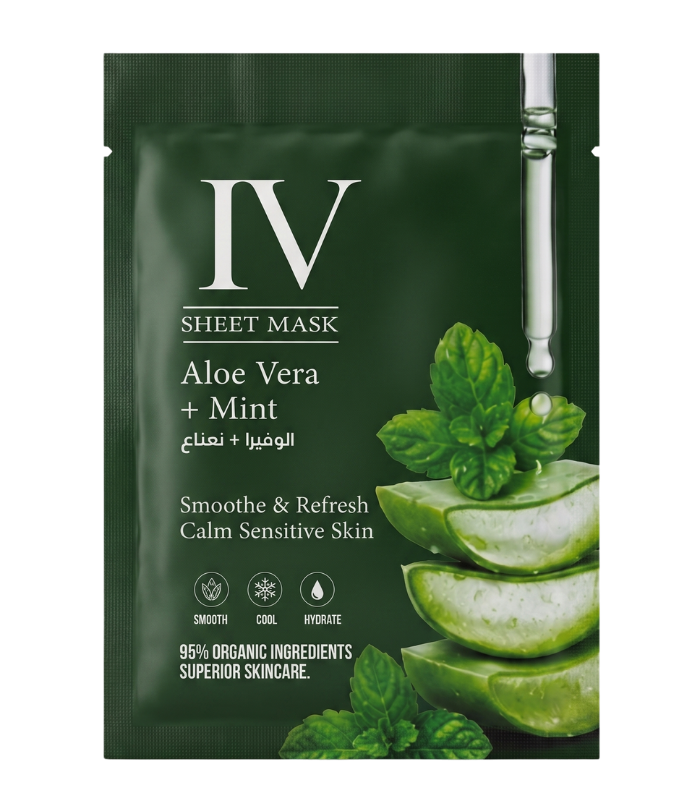
An aloe vera and mint sheet mask can suit a refreshing routine. Mint-related ingredients may create a cooling sensation, but very reactive skin should patch test first and stop if stinging or redness develops.
A SIMPLE ALOE VERA SHEET MASK ROUTINE
Cleanse your face gently and pat it dry.
Apply the sheet mask evenly, avoiding direct contact with the eyes.
Leave it on for the time shown on the packaging.
Remove the mask and gently massage in the remaining serum.
Apply moisturizer if your skin still needs more comfort.
Use sunscreen during the day.