


INTRODUCTION
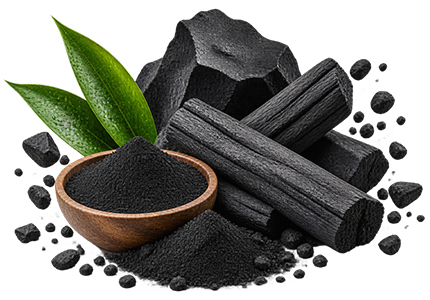
WHAT IS ACTIVATED CHARCOAL?
Activated charcoal is a carbon-rich material processed to create a highly porous surface. In medicine, it has specific internal uses under professional supervision. That medical role should not be used as proof that a face mask can pull toxins through the skin.
When activated charcoal is added to skincare, the intended cosmetic goal is usually cleansing or oil absorption at the surface. Research reviews have noted that clinical evidence does not support many broad claims made for charcoal cosmetic products.
WHAT DO PEOPLE MEAN BY CLOGGED PORES?
DOES CHARCOAL REALLY PULL DIRT FROM PORES?
Charcoal may interact with oil and material on the skin's surface, depending on the formula. What it cannot do is vacuum every pore clean or remove a blackhead permanently. The appearance of pores is influenced by genetics, oil production, skin elasticity and the amount of buildup around them.
If a mask leaves the surface looking temporarily cleaner, that is a reasonable cosmetic result. Claims about deep detoxification or permanent pore reduction are not.
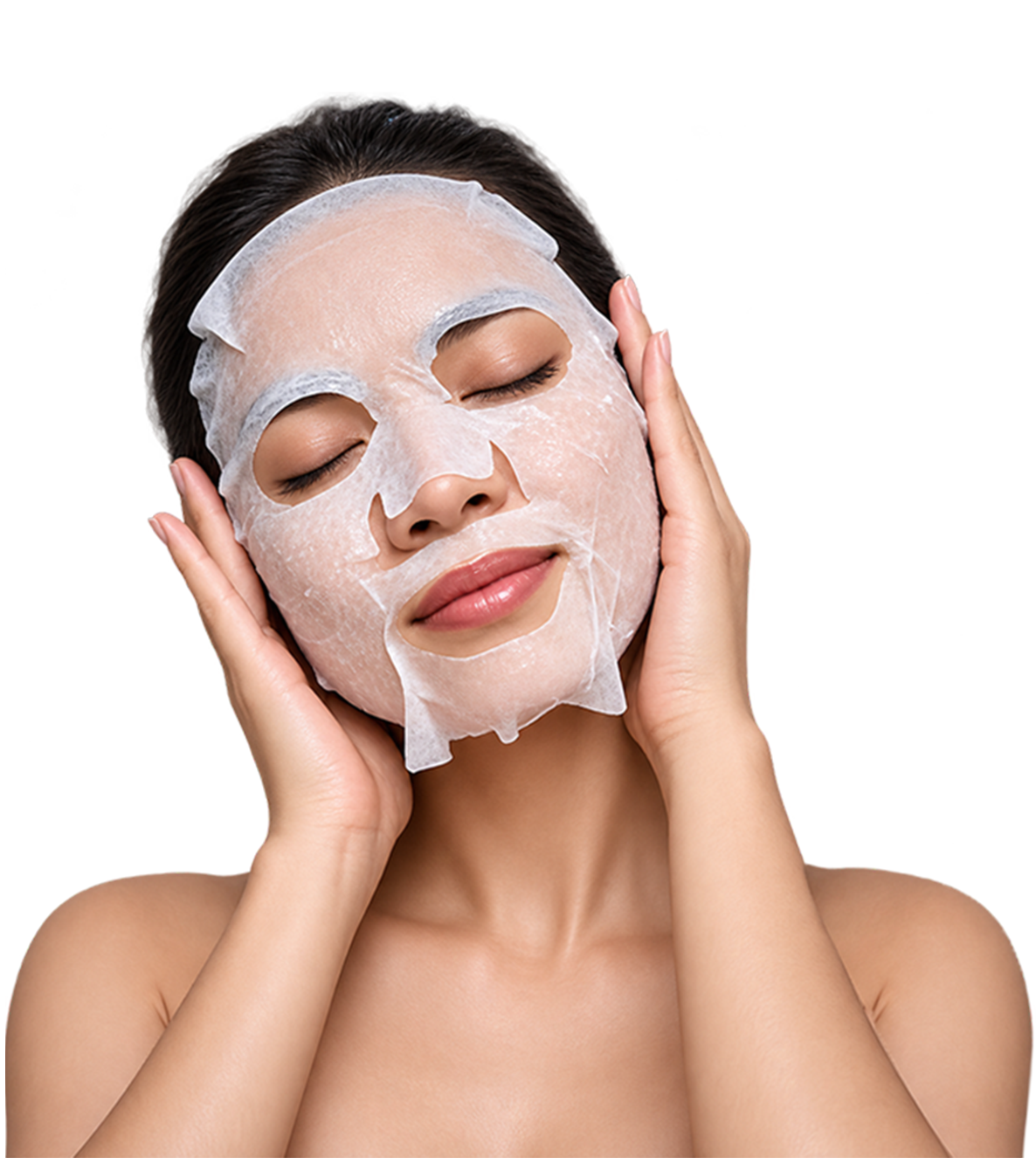
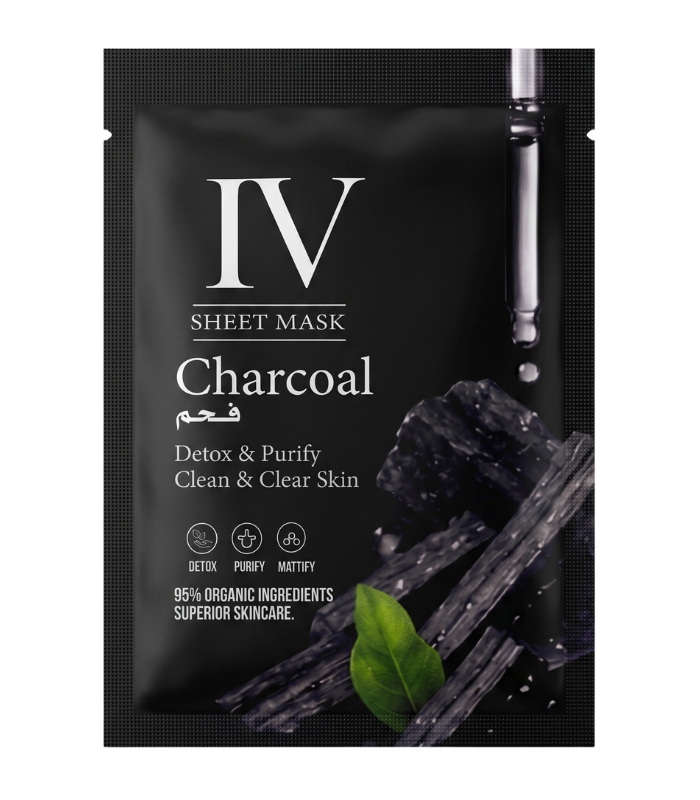
WHAT CAN A CHARCOAL MASK REALISTICALLY HELP WITH?
- Removing some surface oil and residue
- Helping oily areas feel fresher after cleansing
- Supporting a cleaner-looking surface
- Reducing the temporary appearance of excess shine
- Providing an occasional reset step for congested-looking skin
The phrase "congested-looking" describes appearance, not a diagnosis. Persistent acne, painful bumps or widespread irritation need more than a cosmetic mask.
WHAT CHARCOAL CANNOT DO?
WHO MAY BENEFIT FROM CHARCOAL FACE CARE?
People with oily or combination skin may enjoy an occasional charcoal product, especially on areas that become shiny. Normal skin may also use it as a periodic cleansing step if the formula is not drying.
Dry or sensitive skin should be more careful. The charcoal itself is only one part of the formula, and masks that contain strong fragrance, alcohol, clay or aggressive peel-off polymers may leave the skin feeling tight.
CHARCOAL SHEET MASK VS PEEL-OFF MASK VS CLEANSER
Charcoal Sheet Mask
A sheet mask focuses on a serum-based care experience. It does not need to pull a hardened film away from the skin, but the complete formula still determines whether it feels hydrating, balancing or drying.
Charcoal Peel-Off Mask
A peel-off mask creates a film that is removed from the surface. Very adhesive formulas can pull on facial hair and the outer skin layer, which may lead to redness or discomfort.
Charcoal Cleanser
A cleanser stays on the skin for a short time and is rinsed away. Its performance depends heavily on the cleansing agents in the formula, not only on the presence of charcoal.
The best format is the one that matches your skin type and does not leave the skin feeling stripped.
WHY CLEAN SKIN SHOULD NOT FEEL TIGHT
SIGNS YOU MAY BE OVERUSING CHARCOAL
These signs are reasons to pause the product. A stronger sensation does not mean the mask is working better.
HOW TO USE A CHARCOAL SHEET MASK CORRECTLY
Avoid pairing the mask with a harsh scrub, strong peel or several oil-control products in the same routine.